What Does the Bible Say About Self-Care?
Quick answer: The Bible never uses the phrase self-care, but it has a lot to say about it. You’re told to love your neighbor as yourself, which assumes a healthy care for yourself. Your body is called a temple worth tending. God built rest into creation, and even strong servants like Elijah were cared for with sleep and food before anything else. Self-care, rightly understood, isn’t selfishness. It’s stewardship of a life God calls precious.
For a lot of us, the word self-care comes with a flicker of guilt. It sounds a little indulgent, a little worldly, like something that competes with dying to self. So we push through exhaustion and quietly wonder if that’s what faithfulness is supposed to feel like.
But let’s actually ask the question instead of assuming the answer. Here’s what Scripture says.
You’re told to love yourself, not neglect yourself
The second greatest commandment is to love your neighbor as yourself. Notice the quiet assumption tucked inside it. A baseline of caring for yourself is taken for granted, not condemned. You can’t pour out a love for others that you have never once allowed yourself to receive.
Your body isn’t yours to run into the ground
Paul calls your body a temple of the Holy Spirit, bought at a price. Tending it with sleep, food, movement, and care isn’t vanity. It’s treating as valuable what God paid dearly for.
God built rest into the design
Rest wasn’t an afterthought for the weak. God rested on the seventh day and made it holy. When Elijah was so worn down he wanted to die, God didn’t rebuke him. He let him sleep and fed him before a single word of correction. Sometimes the most spiritual thing you can do is take a nap and eat a meal.

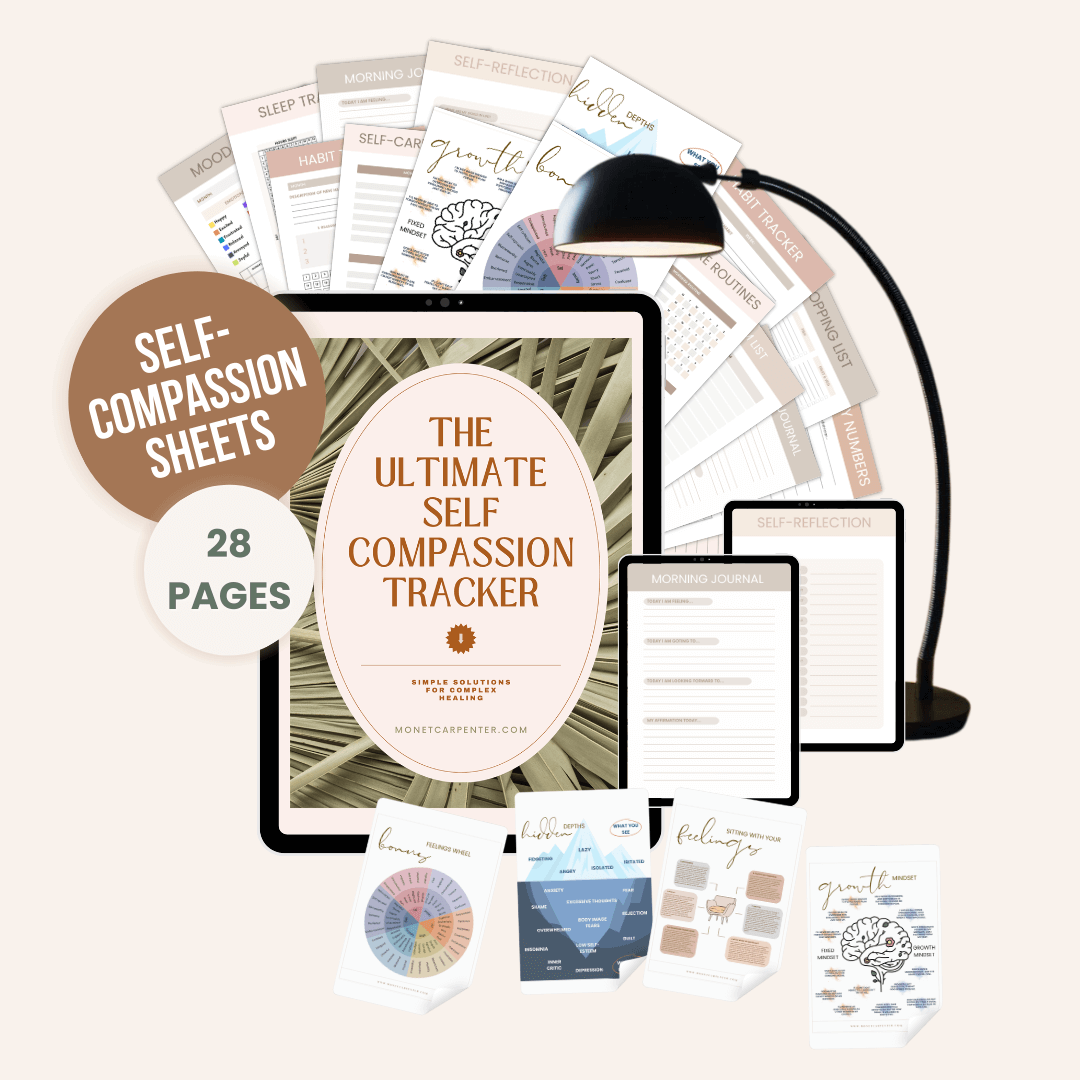
Christian Self-Compassion Worksheets
A gentle place to practice the kind of soul-care Scripture actually describes: honesty with God, kindness toward yourself, and rest without the guilt. Printable, at your own pace.
Self-care goes wrong only when it becomes self-worship, when the goal is comfort for its own sake. But care that returns you to God and sends you back to love others well? That isn’t the opposite of faith. It’s part of it.
Part of our complete guide: Your Worth in Christ: A Guide to Self-Compassion.
Frequently asked questions
Is self-care a sin?
No. Scripture never condemns caring for the body and soul God gave you. It warns against self-worship and selfishness, which are different things. Care that refills you so you can love God and others well is good stewardship.
Isn’t self-care the opposite of dying to self?
They aren’t enemies. Dying to self means surrendering your will to God, not neglecting the body and mind He asked you to steward. Even Jesus withdrew to rest and pray. You can lay down your life and still care for the vessel you’re carrying it in.
What’s the difference between biblical self-care and selfishness?
Selfishness makes comfort the goal and others the cost. Biblical self-care makes refilling the means so you can return to loving God and people well. One turns you inward and keeps you there. The other sends you back out.